A Transportation Management System (TMS) is software used to plan, execute, and optimize the movement of freight. It brings structure to transportation by centralizing decisions around routing, carrier selection, shipment tracking, and cost control.
For companies managing multiple shipments, modes, and partners, a TMS replaces scattered emails and spreadsheets with a single system. It creates a clearer view of what is moving, where it is going, and how it is performing. That visibility helps teams make better decisions, but it is only one part of how transportation actually gets managed.
What Does a TMS Do?
A TMS supports the full lifecycle of a shipment, from planning through final delivery and billing. It helps determine how freight should move by analyzing routes, selecting modes such as LTL or full truckload, and identifying opportunities to consolidate shipments.
Once a plan is in place, the system supports carrier selection by allowing teams to compare rates and tender loads electronically. This reduces manual coordination and speeds up the booking process.
During execution, a TMS manages shipment details such as documentation, pickup scheduling, and delivery appointments. It also provides status updates, typically through integrations with carriers or milestone-based tracking.
Many systems extend into freight audit and payment, helping verify invoices against expected charges and improving billing accuracy. Over time, the data collected within the TMS becomes a valuable source of insight into carrier performance, cost trends, and operational efficiency.
At a high level, a TMS helps you:
- Plan how freight should move
- Select and manage carriers and their rates
- Track shipments in transit
- Validate and manage transportation costs on a micro and macro level
How a TMS Fits Into Your Supply Chain
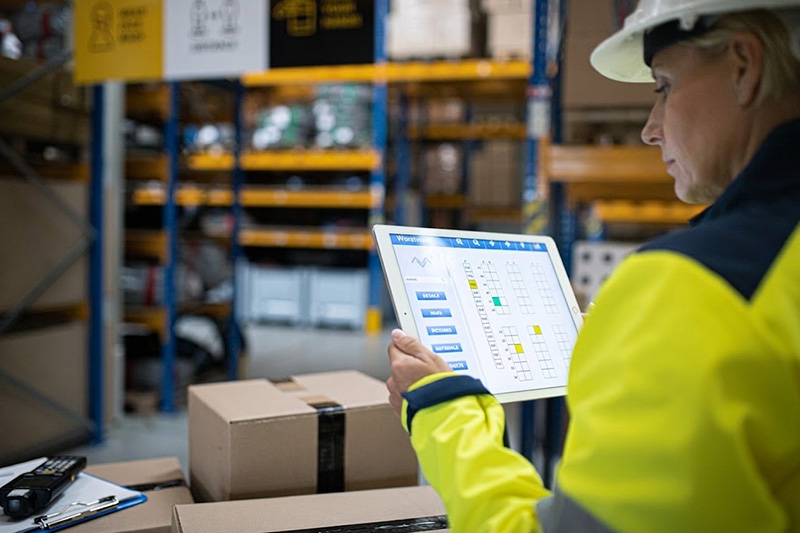
A TMS sits between your internal software systems and your transportation providers. Orders flow in from your ERP or warehouse system, and the TMS determines how those shipments should be executed. Carriers then move the freight, while updates flow back into the system.
In this role, the TMS becomes the central point for transportation planning and visibility. It connects the operational side of your business with the physical movement of goods.
The Benefits of Using a TMS
When implemented effectively, a TMS helps bring consistency to transportation operations. Planning becomes more structured, which can lead to better cost control through optimized routing and carrier selection. Automation reduces the time spent on manual tasks, allowing teams to focus on higher-value decisions.
A few of the most noticeable benefits include:
- More consistent planning and routing decisions
- Reduced manual work across booking and tracking
- Centralized visibility across all shipments
- Better data to evaluate performance and cost
Where a TMS Falls Short
A TMS improves visibility and coordination, but it does not manage every transportation outcome on its own. The system can identify when a shipment is delayed or at risk, and some platforms can trigger alerts or workflows, but resolution still depends on timely decisions and follow-through.
The quality of information is another limitation. Many systems rely on carrier updates or milestone tracking, which means the data is not always real-time. You may know that something has changed, but not necessarily fast enough to prevent the impact.
Exception management is also limited in practice. While a TMS can highlight issues and support workflows, it does not fully coordinate the response. Actions like rerouting, expediting, or escalating often still depend on human involvement, carrier cooperation, and clear accountability.
Finally, performance is tied to execution. A TMS does not manage relationships with carriers or ensure follow-through on commitments. Those elements remain critical to keeping freight moving as planned.
TMS vs Manual Transportation Management
Without a TMS, transportation is often managed through a combination of spreadsheets, emails, and manual rate comparisons. This approach can work at a smaller scale, but it becomes harder to maintain as volume increases.
Manual processes tend to create:
- Slower decision-making
- Increased risk of errors
- Overwhelming communication channels
- Limited visibility across shipments
A TMS replaces these fragmented workflows with a more structured approach. It provides consistency and a central source of information, but it still depends on how effectively it is used.
Do You Need a TMS?
A TMS becomes more valuable as transportation grows in complexity. Companies managing higher shipment volumes, working with multiple carriers, or looking for better cost control often reach a point where manual processes are no longer sustainable.
You may benefit from a TMS if:
- You are managing shipments across multiple modes or regions
- You rely on several carrier partners
- You lack visibility into shipment status and cost
- Your team is spending too much time on manual coordination
For smaller operations, the investment may not be necessary. For growing supply chains, a TMS can provide the structure needed to scale without losing control.
Final Thoughts
A Transportation Management System brings clarity and consistency to how freight is planned and executed. It helps you see what is happening across your network and provides the tools to make better decisions.
At the same time, it is not a complete solution on its own. The real impact comes from how the system is used. When combined with strong execution, proactive communication, and clear accountability, a TMS becomes a powerful part of your transportation strategy.
Without that layer, it remains a system that shows you what happened, rather than one that helps you stay ahead of what comes next.